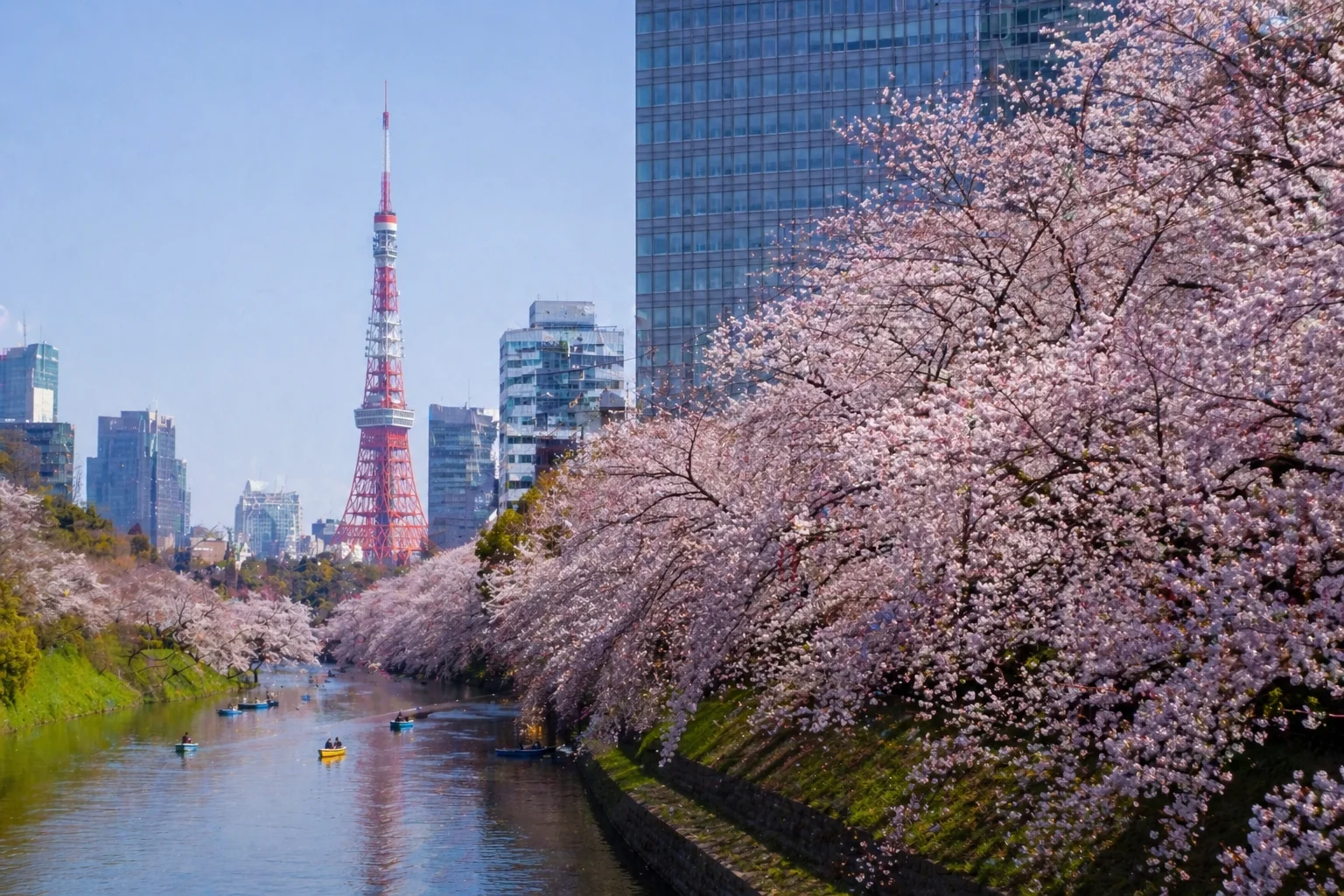
Tokyo Travel Guide: Hidden Gems Only Locals Know
 Overfinite ·
 Tokyo rewards the curious. The city everyone knows – Shibuya Crossing, Senso-ji Temple, Akihabara’s neon sprawl – is worth seeing. But the Tokyo that stays with people is found one neighborhood over, in places that don’t appear on the first page of any search result. This tokyo travel guide cuts through the obvious and gets to the parts of the city where locals actually spend their time.
According to the Japan National Tourism Organization (JNTO), Japan welcomed a record 36.9 million international visitors in 2024 – surpassing the previous record of 31.9 million set in 2019 by more than 15%. The most popular tourist corridors show it. The hidden neighborhoods below don’t.
Neighborhoods the Guidebooks Keep Missing
Yanaka: Old Tokyo Still Standing
Yanaka is one of the few parts of central Tokyo that survived both the 1923 earthquake and World War II bombing largely intact. The result is a neighborhood that looks like the city it used to be – narrow lanes, wooden shophouses, local temples, and cats. Plenty of cats.
Yanaka Ginza, the area’s main shopping street, sells fresh menchi-katsu, handmade crafts, and sweets from shops that have been open for generations. The nearby Nezu Shrine – smaller and quieter than the famous Fushimi Inari in Kyoto – has its own tunnel of red torii gates that most visitors never find.
Come on a weekday morning and you might have the place to yourself. The surrounding Yanaka Cemetery is worth a slow walk too, full of moss-covered monuments and the enormous cats that have made this neighborhood famous among locals.
Shimokitazawa: Where Tokyo’s Creative Scene Lives
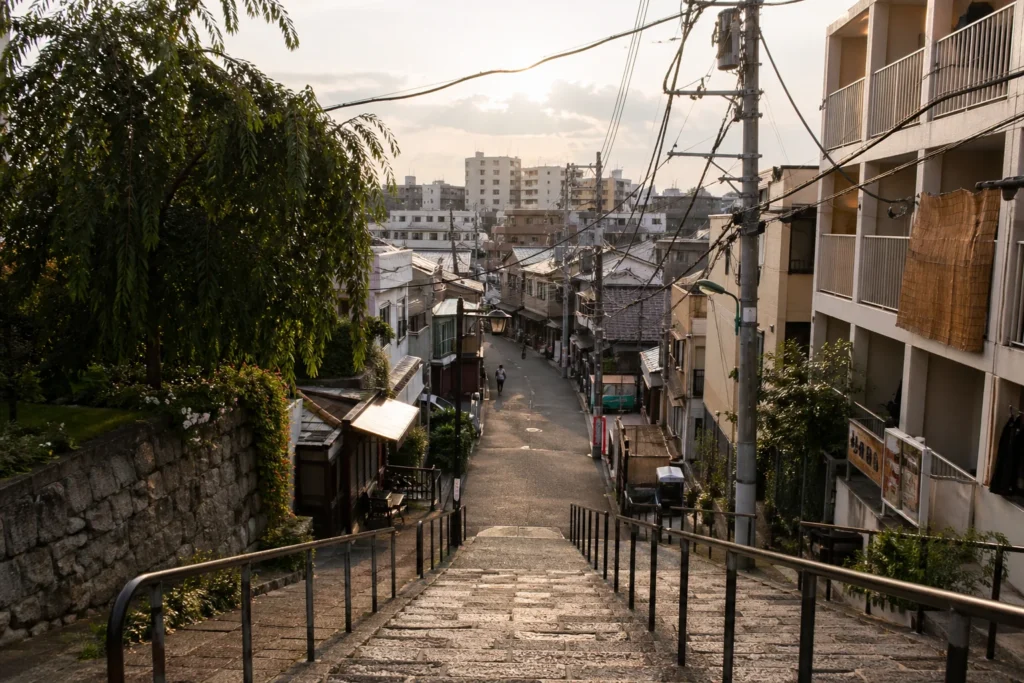
While Harajuku gets the attention, Shimokitazawa – Shimokita to locals – is where Tokyo’s actual creative community operates. The neighborhood is dense with vintage clothing stores, independent record shops, tiny live music venues, and underground theaters running performances most nights of the week.
The streets here are deliberately narrow, making car travel impractical and giving Shimokita a walkable, human-scaled feel unusual for a city this size. Spend a few hours on a Saturday: browse the thrift stores, catch a coffee at one of the independent cafés, and check what’s playing at the small theaters near the station. Nothing feels performed for tourists.
If this instinct – finding the local version of a city rather than the marketed one – appeals to you in other destinations too, the guide to best solo female travel destinations under $1,000 applies the same thinking across Asia and Europe.
Kagurazaka: Tokyo’s Little Paris
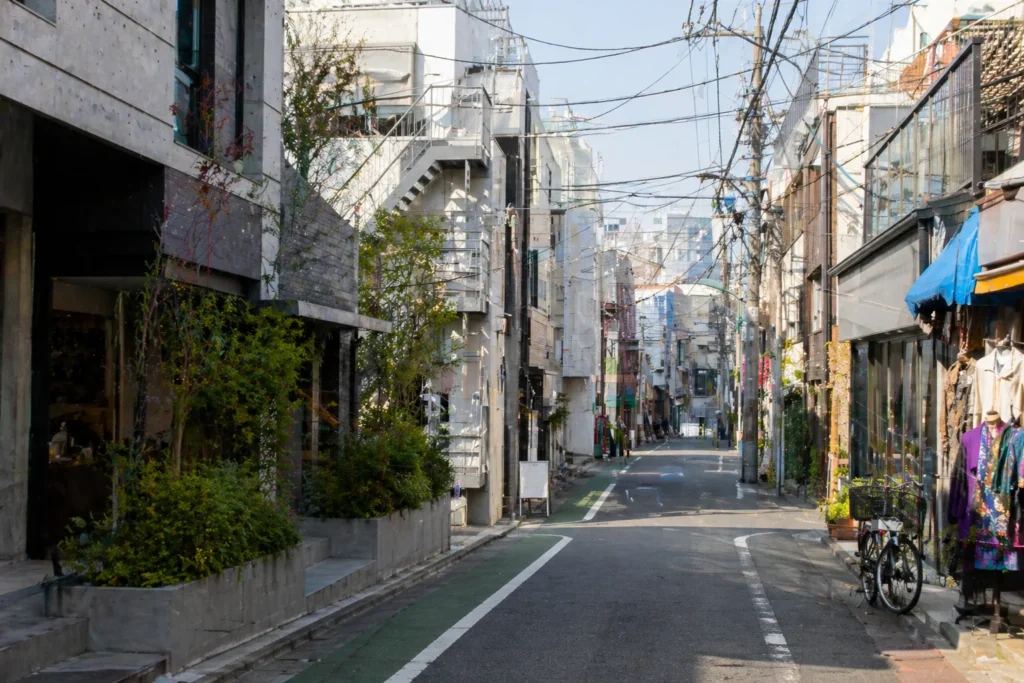
Kagurazaka is a former geisha district that has evolved into something harder to categorize – traditional Japanese architecture alongside French patisseries, kaiseki restaurants next to wine bars, stone-paved lanes branching into hidden courtyards. The French influence dates to the early 20th century and the dual personality has stuck.
The hidden alleyways (yokocho) branching off the main street are the real draw. Many lead to restaurants that only seat eight or ten people – walking in and asking is sometimes enough.
Kiyosumi-Shirakawa: Tokyo’s Coffee Capital
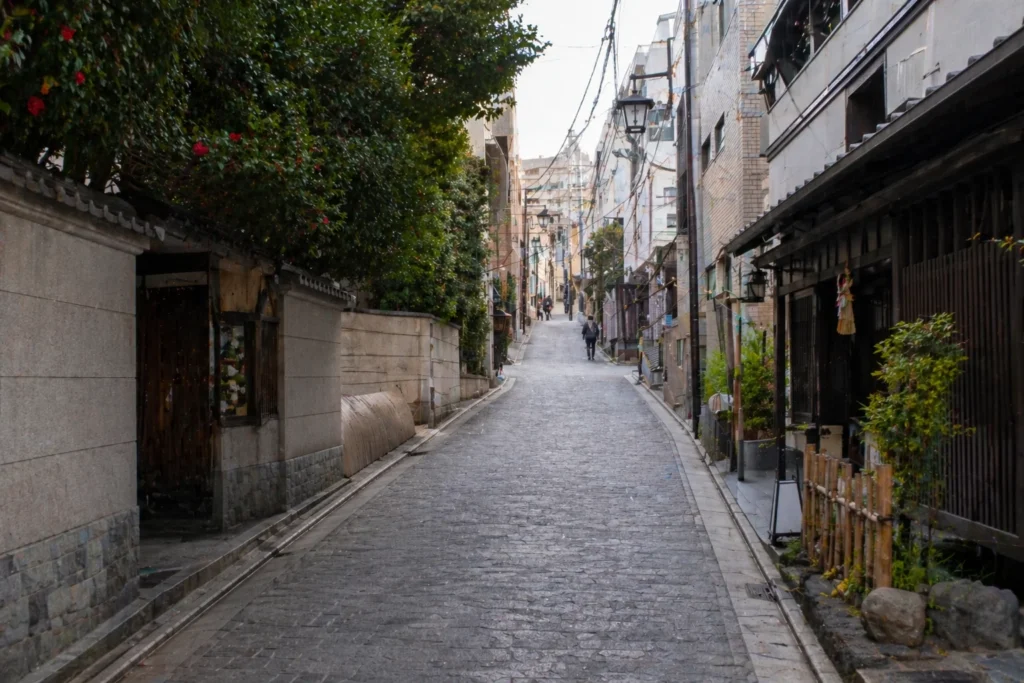
Kiyosumi-Shirakawa is Tokyo’s best neighborhood for coffee. The area hosts the first Blue Bottle Coffee in Japan alongside Arise Coffee Roasters, Iki Roastery & Eatery, and a cluster of third-wave cafés that draw serious coffee drinkers from across the country.
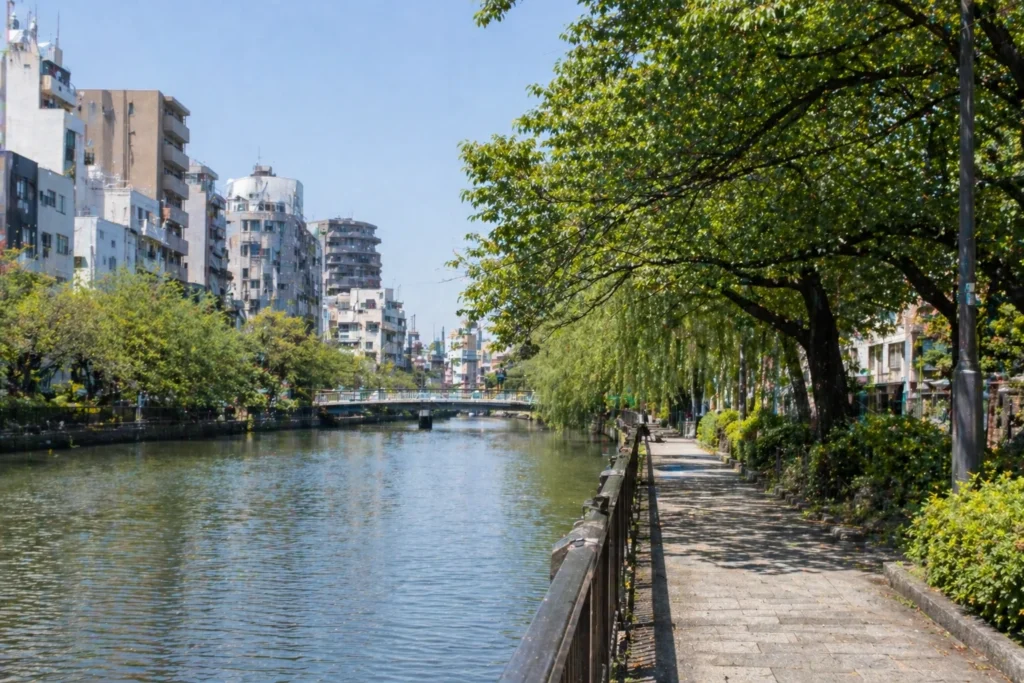
Beyond the coffee, the neighborhood retains the atmosphere of a working-class shitamachi district, with quiet riverside paths alongside Kiyosumi Gardens and a pace that feels genuinely unhurried.
Best Time to Travel to Tokyo
Tokyo has four distinct seasons and a genuine case to be made for each of them. The right timing depends entirely on what kind of trip you want.
| Season | Months | Weather | Crowd Level | Best For |
| Spring | Mar–May | Mild, 10–20°C | Very High | Cherry blossoms, hanami |
| Summer | Jun–Aug | Hot & humid, 25–35°C | Medium | Festivals, fireworks |
| Autumn | Sep–Nov | Crisp, 12–22°C | High | Foliage, comfortable walking |
| Winter | Dec–Feb | Cold & dry, 5–12°C | Low | Budget travel, illuminations |
Spring (March to May): Peak Beauty, Peak Crowds
According to Go Tokyo, the city’s official tourism guide, the 2026 cherry blossom season was forecast to begin on March 21, with full bloom typically arriving one to ten days after first flowering. It’s the most iconic time to be in the city – hanami picnics under Ueno Park’s 1,000-plus trees, nighttime illuminations at Chidorigafuchi, and the short-lived magic of peak bloom that lasts roughly a week. The tradeoff is real: this is also the most expensive period, with accommodation booking out 3–6 months in advance.
May is a quieter alternative – warm, sunny, and free from cherry blossom pricing and crowds. Many regular visitors consider it the best single month in Tokyo.
Autumn (October to November): The Local Favourite
Autumn rivals spring for beauty and surpasses it for comfort. Crisp dry air, brilliant foliage at Rikugien Garden and Meiji Jingu Gaien, and crowds that are slightly more manageable than sakura season. October and November bring some of the best walking weather of the year – clear skies, low humidity, and long enough daylight hours to cover serious ground on foot. Many long-term Tokyo residents consider this the finest time to be in the city.
Winter and Summer: Worth Considering
Winter (December to February) is cold but dry, and mid-January to February is one of the quietest tourism periods – shorter queues, lower hotel rates, and a less crowded city. Tokyo’s winter illuminations in Shibuya, Shinjuku, and Roppongi are spectacular and largely crowd-free on weekday evenings.
Summer is hot and humid but alive with matsuri (street festivals) and fireworks. June offers moderate temperatures before peak humidity and comes with lower prices than spring or autumn.
Building a Tokyo Travel Itinerary
The temptation in Tokyo is to overschedule. Resist it. The subway is fast and logical, but the neighborhoods above reward slow exploration rather than ticking off highlights. Trying to cover six areas in a day is the fastest way to cover none of them properly.
A Smarter 5-Day Framework
- Day 1 – East Tokyo: Arrive, walk Yanaka Ginza and Nezu Shrine in the afternoon. Evening yakitori at a standing bar near Nippori station.
- Day 2 – Central Icons + Contrast: Senso-ji and Ueno Park before 9am (before the crowds), then cross-town to Shimokitazawa in the afternoon for vintage shopping and live music.
- Day 3 – Coffee + Calm: Start at Kiyosumi-Shirakawa, walk Kiyosumi Gardens, then head to Kagurazaka in the evening for dinner in a yokocho alley.
- Day 4 – Day Trip: Kamakura, Nikko, or Hakone – all within two hours by train. Kamakura’s Great Buddha and coastal temples make the strongest single-day excursion.
- Day 5 – Flexible: Golden Gai in Shinjuku for a final evening – choose a small bar, take the seat offered, and order whatever the owner recommends.
Stitching together multi-city Japan itineraries, figuring out JR Pass coverage, and matching accommodation style to each destination is exactly where an AI travel planner saves real time – particularly useful if Tokyo is part of a longer trip through Kyoto, Osaka, or further afield.
Tokyo Travel Packages: What to Look For
Tokyo travel packages vary enormously. The key question is whether the itinerary leaves breathing room for the kind of discovery that makes the city memorable – or locks you into a schedule of major attractions with nothing in between.
What Works in a Good Package
- Neighbourhood-based structure rather than landmark-to-landmark racing
- Local guides who can take you off the printed itinerary when something interesting appears
- Flexible free time – at least a half-day per day to explore independently
- Regional rail pass included or clearly costed, so day trips don’t require separate logistics
Self-guided tokyo travel packages that include a JR Pass, accommodation in a central neighborhood, and a curated restaurant list often outperform fully escorted options. Tokyo is genuinely easy to navigate independently, and the city rewards the extra time to wander.
Practical Tokyo Travel Tips
A few things that make a real difference once you’re there:
- Get a Suica or Pasmo card immediately. Load it at the airport and use it for every train, bus, subway, and convenience store purchase.Convenience stores are a feature, not a backup. 7-Eleven, FamilyMart, and Lawson sell excellent food, good coffee, and useful supplies at any hour. Eating here is not a compromise.
- Download Google Maps offline before you arrive. Tokyo’s train system is logical but large; offline maps prevent data-dependent navigation problems.
- Carry cash. Most small restaurants, bars, and local shops are cash-only. ATMs at 7-Eleven and Japan Post branches work reliably with foreign cards.
- Be quiet on public transport. Phone calls on trains are frowned upon; voices are kept low. Following this single rule removes most obvious tourist signals.
- Book popular restaurants in advance. Top ramen shops and sushi counters fill fast. Tabelog (Japan’s main review platform) lets you reserve directly, often with an English interface.
Tokyo is one of the safest cities in the world for solo travelers – a good first destination for anyone building confidence traveling independently. For a broader look at budget-friendly solo destinations, the guide to underrated youth hostels in Amsterdam takes the same local-first approach to Europe’s most navigable city.
Plan Your Tokyo Trip
Tokyo repays every additional hour of research before you go. Knowing which neighborhood fits your pace, which season suits your travel style, and which local spots to seek out can transform a good trip into an exceptional one.
Explore Overfinite for Tokyo itinerary tools, destination guides, and travel planning resources built for travelers who want more than the obvious route. If you’d prefer hands-on help building your itinerary from scratch, get in touch with the team directly.
FAQ: Tokyo Travel Guide
Yes. Tokyo has one of the world’s most efficient public transport systems, extensive English signage, and a population accustomed to helping lost tourists. Staying central – Shinjuku, Ueno, or near Tokyo Station – makes everything more manageable.
Five to seven days covers the essential neighborhoods and a day trip without feeling rushed. Three days works for a focused first visit; anything shorter feels incomplete. Most long-term visitors find the city deep enough to justify multiple return trips.
Late March to early April for cherry blossoms and October to November for autumn foliage are the prime windows. May is excellent and less crowded than peak sakura season. Mid-January to February offers the lowest prices and fewest tourists if seasonal scenery isn’t a priority.
A self-guided package with a JR Pass, central accommodation, and a flexible daily framework works best. Tokyo is easy to navigate independently, so rigid escorted itineraries can feel restrictive. Look for options that include a local guide for day one with free time built into subsequent days.
More affordable than its reputation suggests. Budget travelers manage on $80–$100 per day by staying in hostels and eating at convenience stores and ramen shops. Mid-range travel runs $150–$200 per day. The JR Pass pays for itself on any trip that includes a day trip to Hakone or Kamakura, or arrival from another Japanese city.