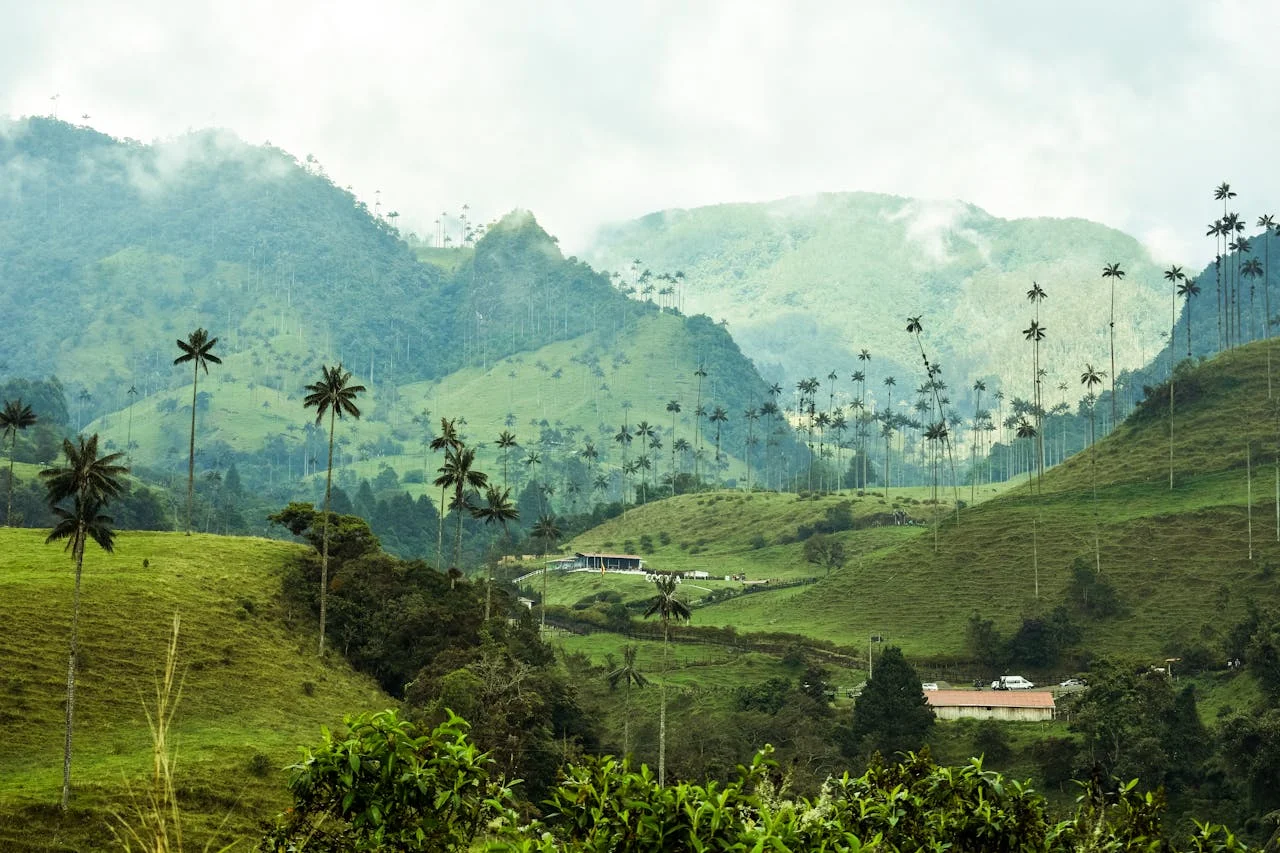
Colombia Travel Advisory: The Truth Behind Safety in 2026
 Overfinite ·
 Colombia has one of the most complicated reputations in travel. Breathtaking biodiversity, world-class coffee, Caribbean coastline, a food scene that keeps climbing global rankings, and colonial cities that genuinely stop you in your tracks — and yet the Colombia travel advisory from the U.S. State Department sits at Level 3: Reconsider Travel. That rating stops a lot of people before they ever book a flight.
Here’s what it actually means, which regions are genuinely risky, where it’s perfectly fine to visit, and how to plan a smart trip in 2026. Because the number alone tells an incomplete story.
What the Colombia Travel Advisory Actually Says
The current travel advisory Colombia, updated March 31, 2026, rates the country at Level 3: Reconsider Travel due to crime, terrorism, civil unrest, kidnapping, and natural disasters. Certain areas carry an even stricter Level 4: Do Not Travel designation. The distinction between those two tiers matters enormously when planning a trip.
Level 4 Zones to Avoid Entirely
- Arauca department — Active armed conflict and ELN presence
- Norte de Santander — Persistent narco-trafficking and terrorist activity
- Cauca (outside Popayán) and Valle del Cauca (outside Cali) — Ongoing conflict between armed groups
- Colombia-Venezuela border (within 10 km) — Kidnapping, armed conflict, and risk of detention
Outside these zones, the picture changes significantly. Santa Marta, Barranquilla, Tunja, Bucaramanga, the departments of Quindío, Risaralda, and Caldas, and most major cities are all considered accessible for travel.
The advisory is not a blanket ban — it’s a call to be specific about where you go and how you move. The Level 3 rating is shared by other popular tourist destinations, and it reflects elevated risk requiring preparation, not an instruction to cancel your plans entirely.
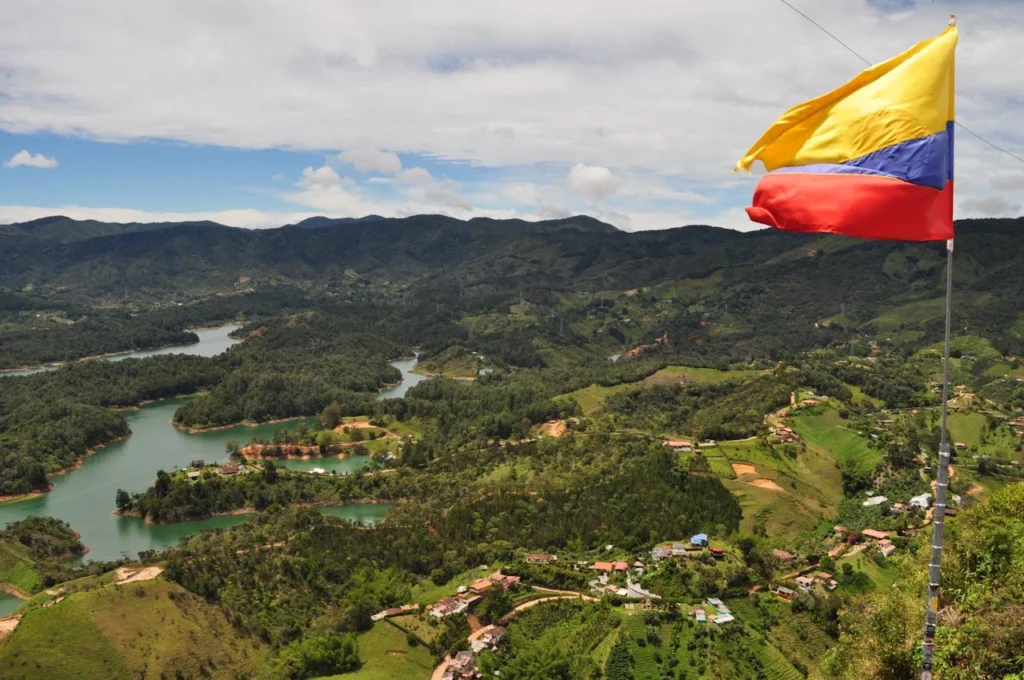
Is It Safe to Travel to Colombia?
For the main tourist circuit, yes — with sensible precautions. The answer varies enormously by region, and lumping the whole country together is one of the most common and unhelpful things people do when evaluating Colombia’s safety.
Safe Destinations for Tourists
- Bogotá is a cosmopolitan capital with a world-class food and arts scene, distinct neighbourhoods from the historic La Candelaria to the upscale Usaquén, and a growing reputation as one of Latin America’s most exciting cities to visit.
- Medellín’s transformation from its violent past into a hub for digital nomads, design culture, and innovative urban planning is one of the most remarkable stories in modern travel.
- Cartagena’s walled colonial centre is genuinely stunning, and the beaches and islands nearby — including Playa Blanca and the Rosario Islands — are among the best in South America.
- The Coffee Triangle (Quindío, Risaralda, and Caldas departments) rounds out the core tourist circuit with rolling green hills, working coffee farms, and charming small towns like Salento that see thousands of visitors every month with minimal incident.
The numbers back all of this up. According to Colombia’s Ministry of Commerce, Industry and Tourism, Colombia welcomed approximately 6.7 million non-resident visitors in 2024 — an 8.5% increase from the previous year that exceeded the government’s own targets.
By 2025, Colombia surpassed 10.2 million international movements for the first time, recording 6% growth and establishing itself as the leading tourist destination in South America, third in Latin America behind only Mexico and the Dominican Republic. Travellers are clearly reading beyond the headline advisory and making their own informed judgements — and the record arrival figures suggest they’re not regretting it.
Risks That Remain in Safer Cities
Even in tourist-friendly areas, a few specific risks need managing. Street taxis are a genuine hazard — express kidnappings involving taxis are documented across all major cities, so use app-based transport (InDriver, Cabify) exclusively. Dating app scams are an increasingly documented problem, with criminal organisations using apps to lure foreign tourists to locations where they’re robbed and assaulted.
Scopolamine (drug-assisted robbery) remains a known risk in Bogotá and Medellín nightlife areas, so accept drinks only from sealed containers. And in any city, keep your phone out of sight on foot — street phone theft is opportunistic and common.
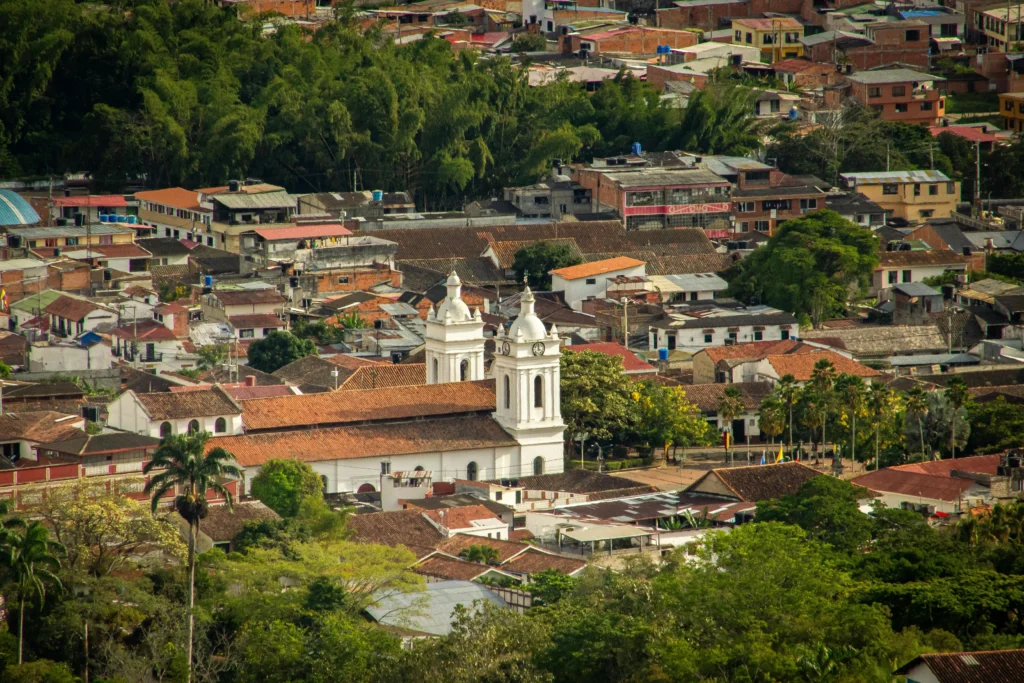
Best Time to Travel to Colombia
Colombia sits close to the equator, which means temperature is determined more by altitude than by season. That makes it a genuine year-round destination — though timing still matters significantly for weather, crowds, and what you’ll pay.
| Season | Months | Weather | Crowds | Budget |
| Peak Dry | Dec–Mar | Sunny, dry | High | Most expensive |
| First Rains | Apr–May | Mixed, wet Andes | Low | Good deals |
| Second Dry | Jun–Aug | Mostly dry | Medium | Mid-range |
| Second Rains | Oct–Nov | Heaviest rain | Lowest | Best value |
Dry Season: December to March
This is the best time to travel to Colombia for most first-time visitors. According to Lonely Planet, December to February is a fantastic time to travel through Colombia because it’s dry everywhere except the Amazon, with ideal conditions for the Caribbean coast, Andean hiking, and the Coffee Triangle.
Barranquilla’s Carnival in February — one of the biggest folkloric celebrations in South America — falls in this window. The downside is cost and crowds: prices are highest and accommodation in Cartagena fills weeks in advance, so book early.
Second Dry Window: June to August
A solid alternative for those wanting good weather with fewer tourists and slightly lower prices. The Amazon is at low water level during this period, making wildlife spotting and jungle access easier. Medellín’s famous Feria de las Flores festival runs in August and is well worth building a trip around — it’s one of the most visually striking events in Colombia.
Rainy Seasons: April–May and October–November
Wetter but far from unworkable. Prices drop, major sites quieten down, and the landscapes are at their most lush and green. The rainy season in Colombia typically means afternoon showers rather than all-day downpours, so mornings are often clear. October and November see the heaviest rainfall across most regions, but the Amazon is actually excellent in low-water season for hiking and wildlife, and budget travellers consistently find this period the best value.
Colombia Travel Packages: What to Look For
Colombia travel packages have grown substantially in quality and variety as the destination has matured and the infrastructure around tourism has caught up with demand. For first-time visitors in particular, a well-structured guided or semi-guided package removes the logistical complexity that makes Colombia harder to navigate independently than most destinations.
When evaluating packages, look for licensed operators with local guides who understand current regional conditions, fly-between-cities itineraries rather than long overland drives through rural corridors, and small group sizes that reduce tourist visibility.
Reputable operators are also the only State Department-approved way to access remote and iconic sites like Caño Cristales — the so-called River of Five Colors — and the ancient city of Ciudad Perdida. That guided structure is genuinely what makes those experiences both accessible and safe.
If you’re planning to build your own itinerary, the Overfinite AI travel planner helps map out a Colombia trip around your specific timeline, interests, and comfort level — including routing around restricted zones and finding the best accommodation options in each city.
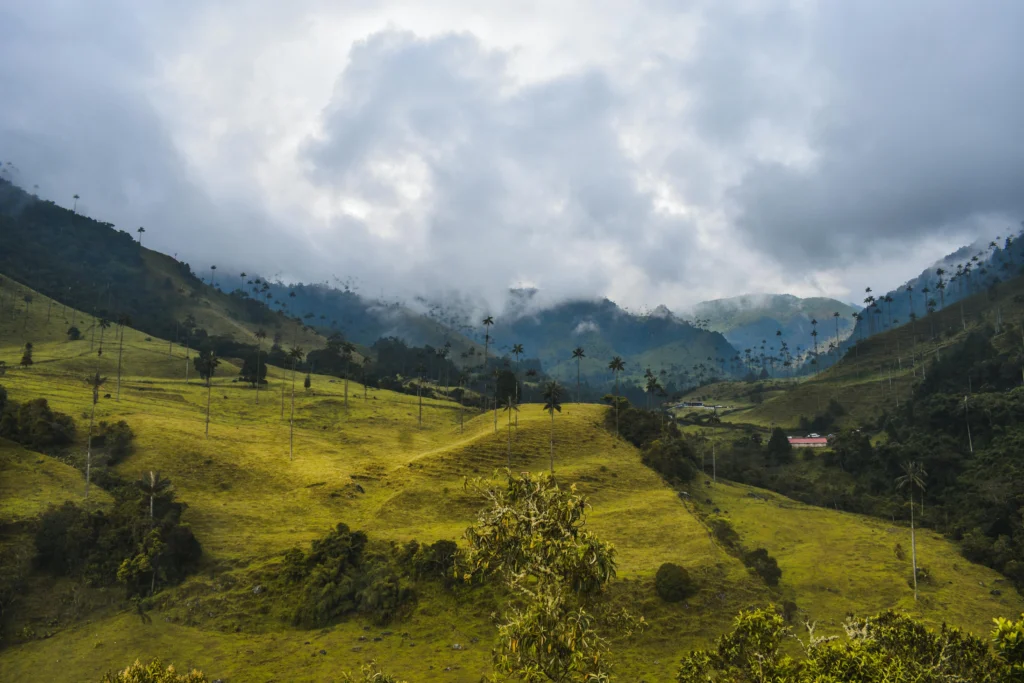
Practical Safety Tips
A handful of consistent habits dramatically reduce your exposure to risk in Colombia:
- Enrol in STEP. The U.S. Embassy’s Smart Traveler Enrollment Program delivers security alerts directly to your inbox and helps the Embassy locate you in an emergency. It’s free and takes two minutes to set up before departure.
- App-based transport only. InDriver and Cabify work in all major cities. Never hail a taxi from the street under any circumstances.
- ATMs inside banks or malls. Street ATMs are a documented theft location, particularly at night.
- Travel insurance with medical evacuation cover. Rural healthcare in Colombia is limited, and emergency evacuation without insurance coverage is expensive.
- Learn basic Spanish. Even a handful of phrases creates genuine goodwill, lowers your tourist-target profile, and helps enormously in situations where English isn’t available.
The Bigger Picture
Colombia in 2026 is not the Colombia of the 1990s. The transformation is real, ongoing, and genuinely remarkable. Cities that were once effectively closed to foreign visitors are now world-class destinations. The warmth of Colombian hospitality is one of the things visitors consistently mention — alongside the food, the coffee, the landscapes, and the music.
The risk exists and shouldn’t be minimised. But millions of travellers weigh it honestly every year, take sensible precautions, and leave wanting to come back. If you’re the kind of traveller who values destinations with real history and genuine character over sanitised tourist experiences, Colombia is absolutely worth the extra preparation it requires.
The same instinct that draws people to Colombia tends to lead them toward other underappreciated destinations — our guide to the best hidden places to travel in Thailand is a good next read for that kind of curiosity. And if Europe is more your direction, the piece on the most underrated youth hostels in Amsterdam covers a different kind of off-the-beaten-path thinking.
Ready to start planning? Explore Overfinite for destination tools and travel guides built for travellers who want more than the obvious — or get in touch with the team directly if you’d like help building a Colombia itinerary from scratch.
FAQ: Colombia Travel Advisory 2026
Level 3: Reconsider Travel, updated March 31, 2026. Arauca, parts of Cauca and Valle del Cauca, Norte de Santander, and the Venezuela border region carry Level 4: Do Not Travel designations. All other major tourist destinations are accessible with standard precautions.
Yes, within the main tourist corridor — Bogotá, Medellín, Cartagena, Santa Marta, and the Coffee Triangle. The key is using app-based transport, staying in vetted accommodation, and strictly avoiding the Level 4 zones.
December to March offers the best weather across most of the country. June to August is a quieter, more affordable alternative. The rainy seasons (April–May and October–November) suit budget travellers and those heading to the Amazon.
U.S., UK, Canadian, Australian, and EU citizens don’t need a visa for tourist stays up to 90 days. You may be asked to show proof of onward travel on entry.
Street taxis, accepting drinks from strangers in nightlife settings, displaying your phone or valuables in public, intercity road travel after dark through rural areas, and any travel to the Level 4 zones listed in the State Department advisory.